


DETROIT, MI (04.07.22) – Honda and General Motors revealed today a plan to develop a “series” of electric vehicles together based on GM’s Ultium battery technology with the first of these shared vehicles arriving in 2027.
The two automakers have engaged in a series of agreements during the past several years for alternative fuel vehicle technology, such as fuel cells, batteries and, now, full-on battery-battery electric vehicles.
Unsurprisingly, the companies said in a joint release they will keep searching for ways to collaborate on future technologies that “drive down the cost of electrification, improve performance and drive sustainability for future vehicles.”
The goal with the current agreement is to create EVs in a variety of popular segments that are currently underserved with affordable options: the current average price of a new vehicle exceeds $45,000 and that number is higher for EVs, even with tax credits.
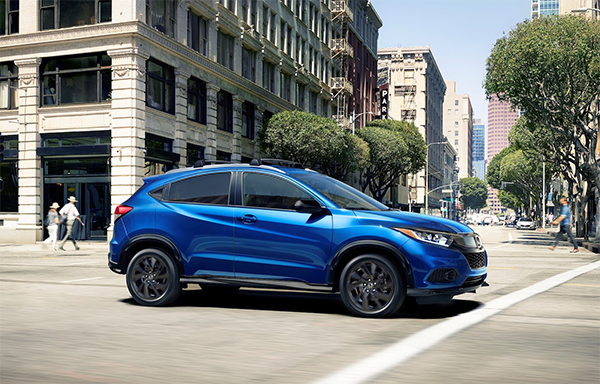
The first vehicle coming will likely be a compact crossover, as the two sides note it is the largest in the world with annual sales of about 13 million vehicles. Toyota’s Rick Schostek, executive vice president of Corporate Operations at American Honda declined elaborate on what kind of vehicle was coming.
However, Ken Morris, executive vice president of electric, autonomous and fuel cell programs at GM, said the auto company was planning for a vehicle that would “slot below” the recently announced 2024 Chevy Equinox EV with a price point of about $30,000. He said it would be physically smaller and less expensive, although he didn’t provide any detail beyond that point.
Moving toward common goals
The two executives did agree the offerings coming from the newest deal would be focused on customer and dealer wants and needs. One of the “wants” that some may focus on would include autonomous driving capability, which GM and Honda have collaborated on previously, but it’s unlikely either of the vehicles from GM or Honda will have that technology available at launch, the pair agreed.
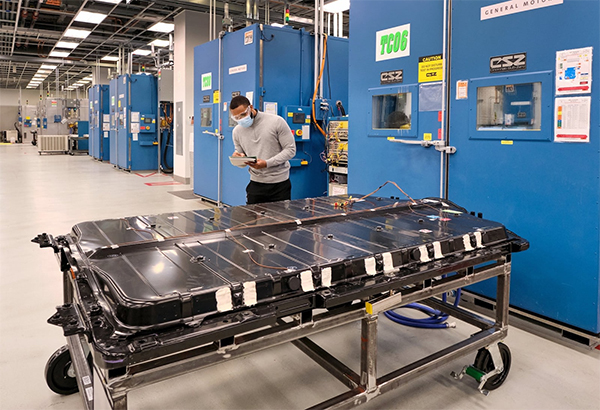
Aside from the new EVs, the two companies are also looking to expand their collaboration on battery technologies — especially anything that will help drive down the cost of EV batteries.

GM is already working to accelerate new technologies like lithium-metal, silicon and solid-state batteries, along with production methods that can quickly be used to improve and update battery cell manufacturing processes.
Honda is making progress on its all-solid-state battery technology which the company sees as the core element of future EVs. Honda has established a demonstration line in Japan for all-solid-state batteries and is making further progress toward mass-production.





 12VoltNews.com